Plant Reliability: Your Biggest Untapped Revenue Lever

Reliability isn’t just an engineering concern. For asset-intensive industries such as oil and gas and chemicals, it’s a business imperative. A single day of unplanned downtime in a large plant can cost between $1–10 million, disrupt supply contracts and damage your reputation. In 2026, organizations that thrive will be the ones that treat reliability as a core business strategy – not just a maintenance activity. This blog explores the true cost of unreliability; the root causes of it, the strategies that enable it, as well as the technologies and cultural shifts needed to achieve operational excellence.
“You don’t get what you expect, you get what you inspect.” – W. Edward Deming
The True Cost of Unreliability
Even in well-managed facilities, typical plant availability hovers between 89.4% and 95.5%, with a mean of 92.6%. That means even the best plants are leaving money on the table.
Take LNG as an example: over a 20-year lifecycle, one complex operated at full capacity only 82% of the time. At another facility, 12% of available time was spent operating at reduced capacity due to one of three trains being offline, with the remaining downtime caused by unplanned shutdowns.
Financial Costs
- Process train downtime in large plants can cost $1–10 million+ per day, disrupt supply contracts and trigger penalty clauses as well as cause OPEX budget difficulties.
- Critical equipment failures (compressors, turbines, valves, reaction vessels and loading arms) halt production or delay shipments. Repairs often need specialized parts and long lead times—for example, a refrigeration compressor failure can take weeks and cost tens of millions in repair costs and lost product sales.
Safety and Environmental Costs
- Even a small leak can force evacuation, which will require investigation, with costs exceeding $1 million—even without injuries.
- Facilities under strict environmental rules face fines, lawsuits and reputational damage.
Contractual and Reputational Costs
- Missed delivery guarantees can trigger liquidated damages and loss of market share.
- Repeated failures erode trust, cause long-term reputational harm and jeopardize future contracts.
Maintenance and Rework Costs
- Poor construction or design creates rework during commissioning.
- Long term, these flaws inflate operations and maintenance costs for decades.
Cascading Effects of Unreliability
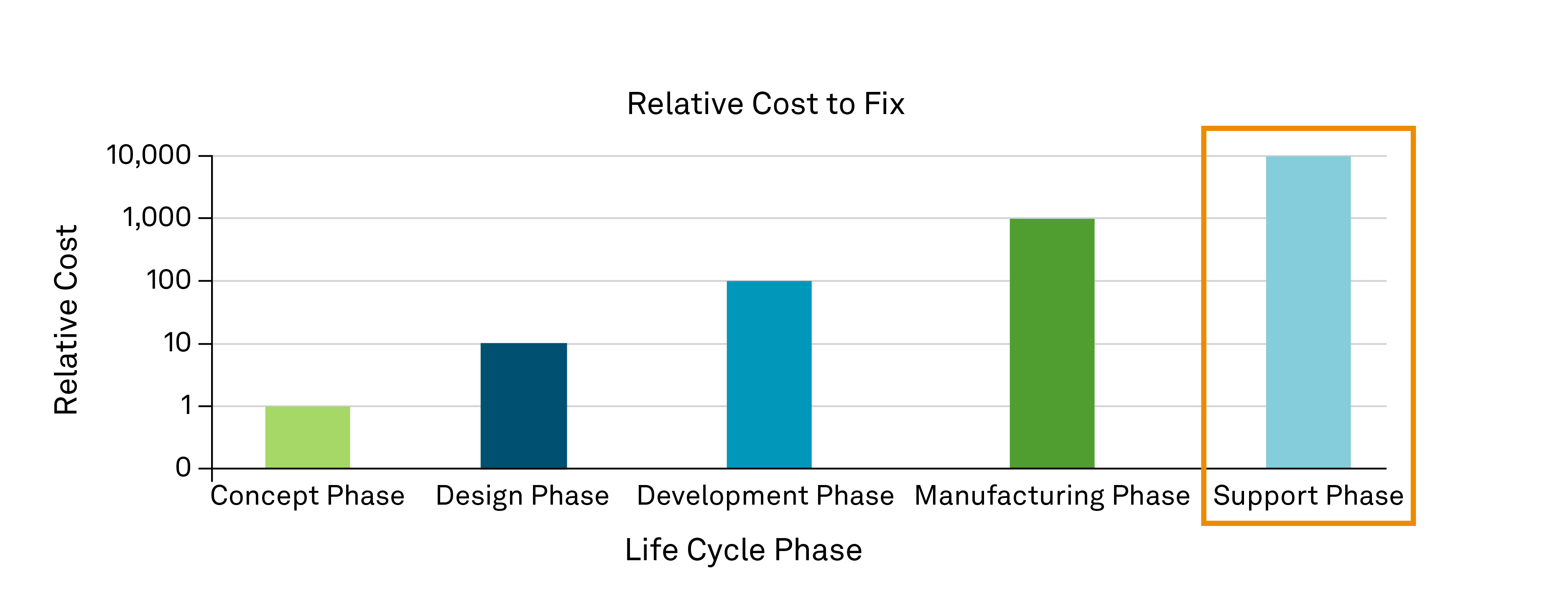
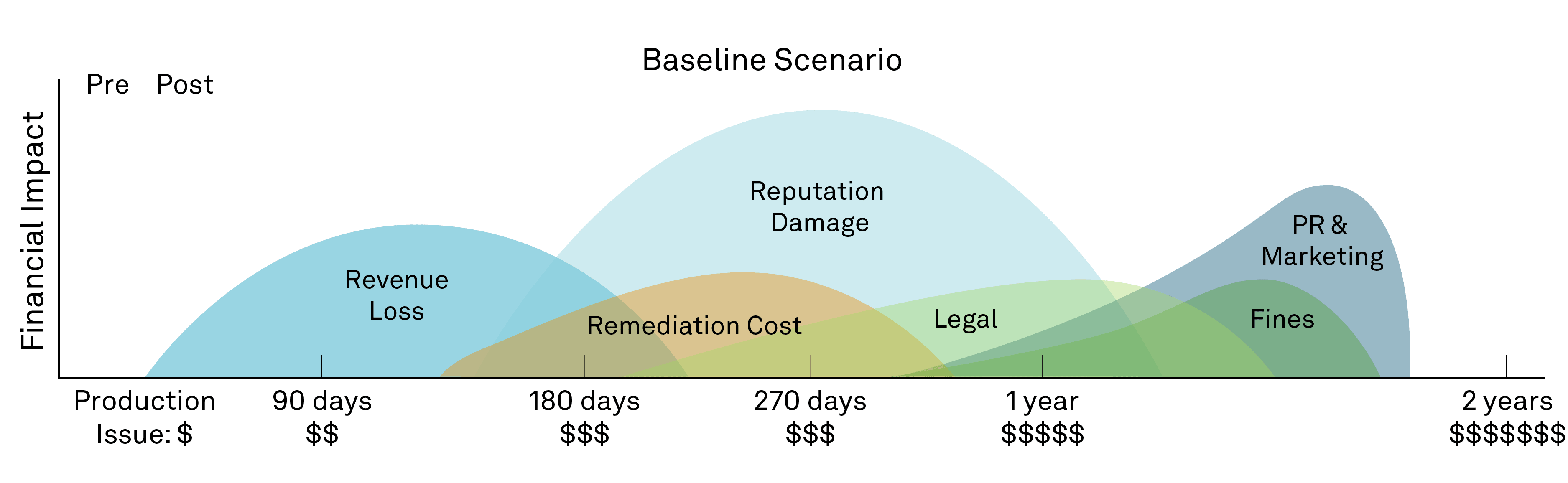
Every delay in addressing reliability increases costs. Correcting issues in operation can cost exponentially more than designing for reliability from the start. In other words: invest early or pay heavily later.
Root Causes of Unreliability
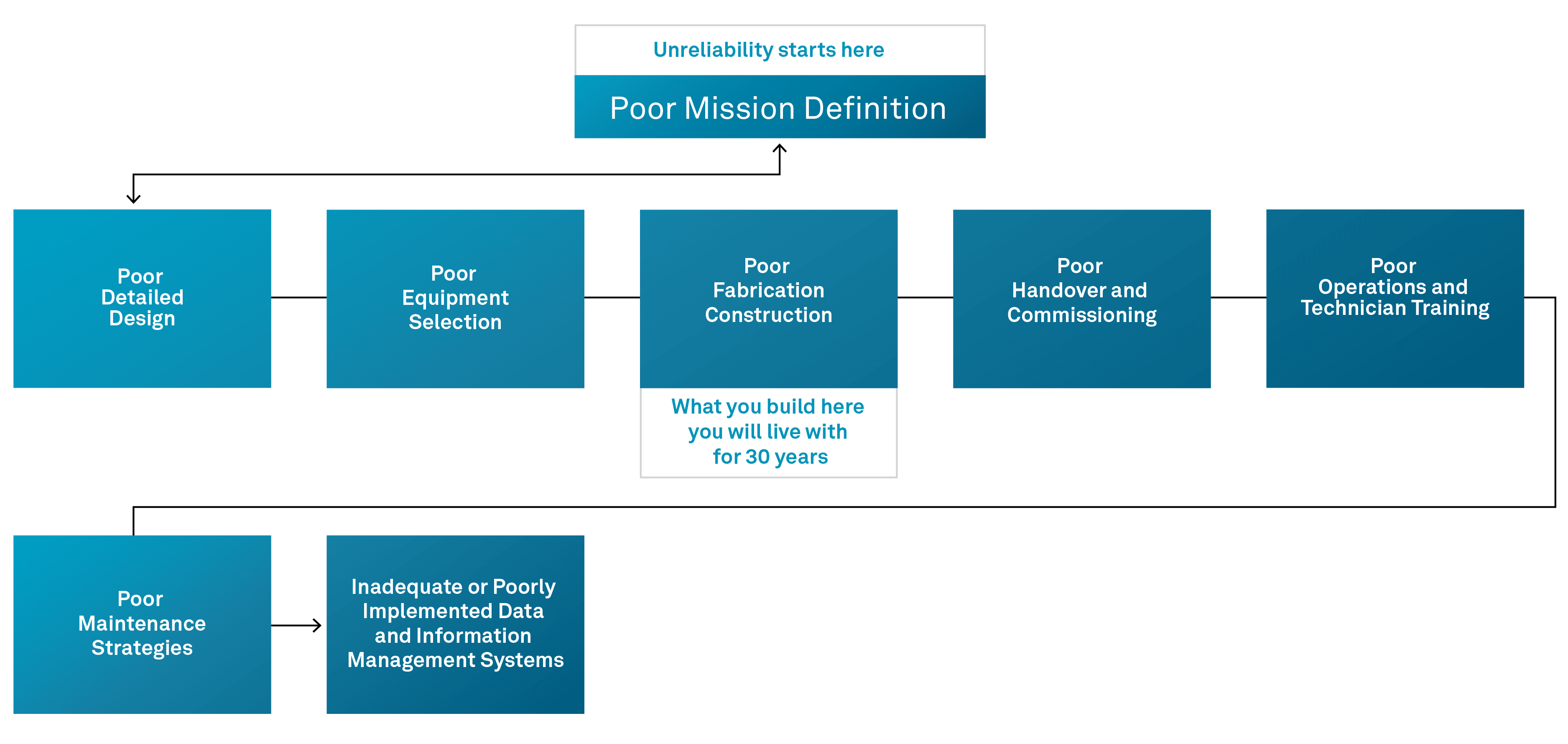
Reliability challenges often begin long before operations.
Poor Business Requirements
When project objectives are unclear or not aligned with business outcomes, reliability requirements get overlooked. Without a well-defined mission, teams often under-specify performance standards, leaving operators with assets that don’t meet long-term operational needs.
Deficient Design Documentation
Weak or incomplete design documentation leads to gaps in understanding across engineering, construction and operations teams. Missing details or unclear specifications results in costly errors, misinterpretations and rework that compromise reliability throughout the asset lifecycle.
Poor Fabrication or Construction
“What you build here, you will live with for 30 years.” – Robert Hooper
Even a solid design can fail if construction quality is subpar. Poor workmanship, material defects or rushed schedules create weaknesses that surface later as chronic reliability issues. Once built, these flaws are expensive, sometimes impossible, to fully correct.
Inadequate Data and Information Management
Reliability depends on accurate, accessible data. Weak data systems or siloed information management make it difficult to monitor performance, share lessons learned, or support predictive maintenance. Without good data, your decisions are reactive instead of proactive.
Suboptimal Equipment Selection
Cutting corners on equipment quality or failing to match assets to operating conditions sets up long-term problems. The wrong component choice, whether due to cost pressure or incomplete evaluation, leads to higher failure rates, increased downtime and safety risks.
Weak Maintenance Strategies
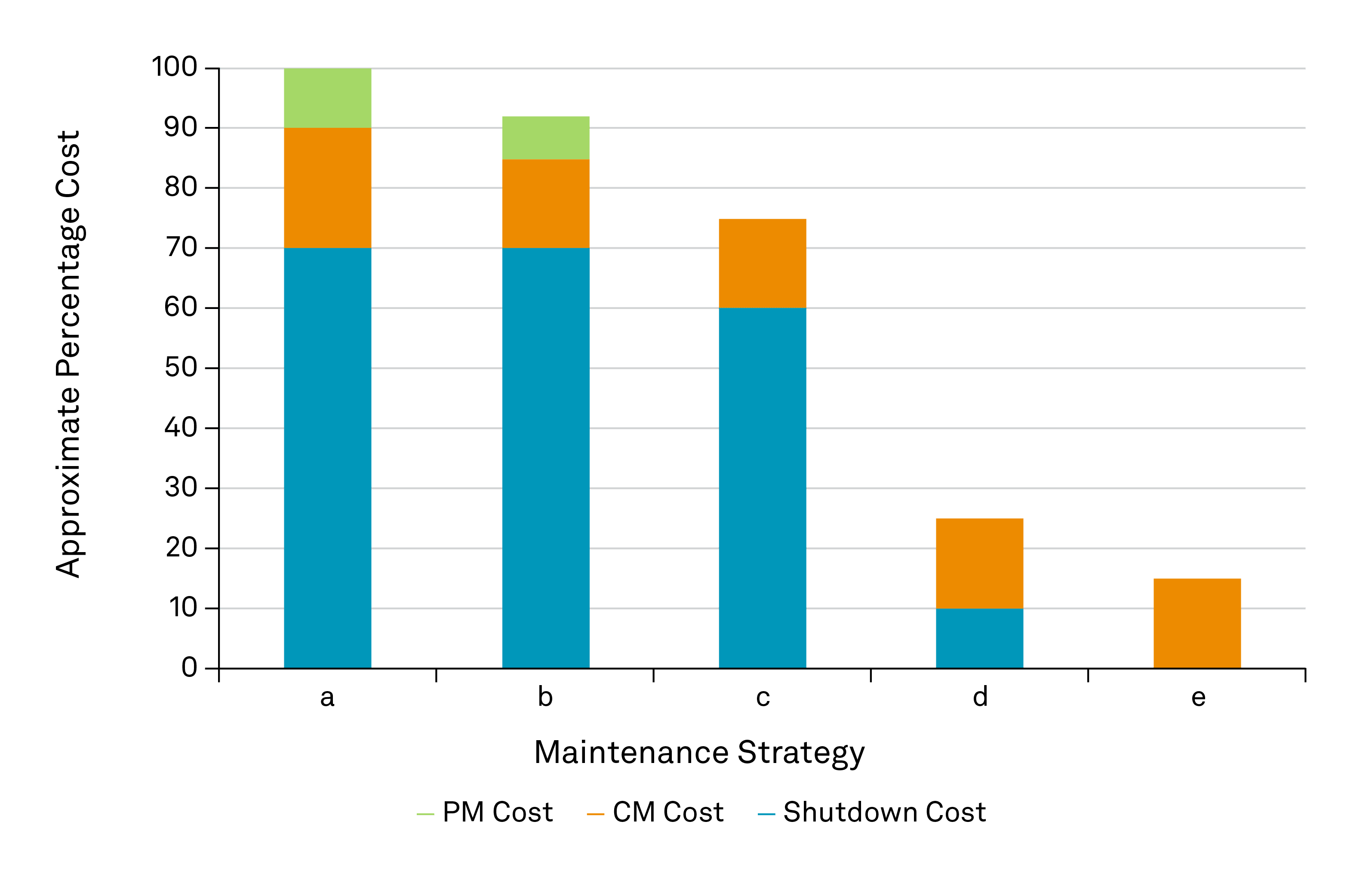
Relying on outdated, one-size-fits-all maintenance plans often result in overspending on low-risk assets while under-maintaining critical ones. Without reliability-centered strategies, organizations struggle with unnecessary downtime, higher costs and missed opportunities to extend asset life.
Insufficient Training
Reliability depends as much on people as it does on machines. Inadequate operator or technician training leads to mistakes in daily operation, poor handovers between shifts and weak responses to abnormal conditions — all of which increase the likelihood of failure.
Poor Commissioning and Handover
Weak commissioning processes or incomplete handover of data and documentation can lock in systemic problems before operations even begin. Issues that aren’t addressed at startup often linger for decades, driving higher maintenance costs and lowering availability.
Next in the Series: In Part 2, Building a Holistic Reliability Strategy, we’ll break down the tools, technologies and best practices driving reliability excellence across today’s energy and process industries.